
A stylish, fun & photo‑ready week exploring Korea’s trendiest spots
Disclaimer: This blog post is based on our personal travel experience and is shared for general informational purposes only. Travel details (including prices, opening hours, visa requirements, and transport options) can change without notice, so please verify the latest information directly with official websites and service providers before you book or travel.
Some parts of this guide reflect what we experienced during a short visit to each city, so your experience may differ. If you’d like help planning a longer South Korea itinerary – whether it’s for a girls’ trip, family holiday, couple’s getaway, or solo adventure – including flights, visas, tours, or accommodation, feel free to contact me for personalised travel planning.
Seoul: Our Base for Beauty, Culture & First‑Time Freedom
This trip to South Korea was extra special for us because it was our first time travelling without our families and without our kids. Just five ladies, one full week, and a shared goal: relaxation, beauty treatments, good food, and genuine bonding. No school schedules, no rushing – just time to reconnect with ourselves and with each other.
We flew from Perth to Seoul with Singapore Airlines, transiting through Singapore. The journey was smooth, and to make things easier after the long flight, we arranged private airport transfers both on arrival and departure in Seoul. Honestly, this was one of the best decisions we made – especially when travelling as a grou
Where We Stayed
We stayed at UH Suite in Jongno, and it couldn’t have been more perfect for a group of five. The apartment had three bedrooms and four queen beds, plenty of space to spread out, and a central location that made getting around Seoul easy.
Jongno is the area that worked best for our itinerary. We were just a short walk from Jongno 3‑ga Station, a major interchange connecting multiple subway lines, which made it easy to travel to different parts of the city for day trips, shopping, and sightseeing. Being right in Seoul’s cultural and historic heart, with palaces, cafés, shopping streets, and public transport all nearby, made Jongno a very convenient base for our travels.
Weather in Seoul in Early November
We visited during the first week of November, and the weather was ideal. It was cool but not freezing – perfect for wearing light jackets while walking around all day under clear skies. Most importantly, there was autumn foliage everywhere. The shades of red, orange, and yellow added so much charm to our walks and photos, making the city feel extra special. It’s honestly a perfect time to experience Seoul.
Getting Around Seoul
Seoul’s public transport is excellent. We mostly used trains, which are clean, efficient, and easy once you get the hang of it.
One important tip: Google Maps isn’t very reliable in South Korea.
Instead, we used:
- Naver Map
- KakaoMap
- Kakao T (for taxis)
In terms of transport cards, travellers can choose between a WOWPASS card or the Seoul Climate Card.
- WOWPASS works as both a prepaid debit card and a transport card, allowing you to load foreign currency for shopping, while transport balance still needs to be topped up separately.
- Climate Card is a time‑based unlimited public transport pass that covers all Seoul subways and city buses within Seoul.
For our trip, we bought the 5‑day Climate Card (unlimited rides) and had it activated at the subway station. Because we were moving around a lot every day, this was extremely convenient – no worrying about topping up, just tap and go. It worked out really well for us.
Places We Visited in Seoul
Nami Island
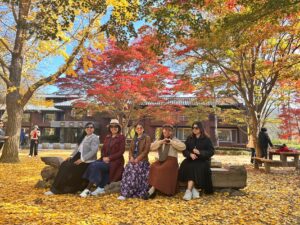
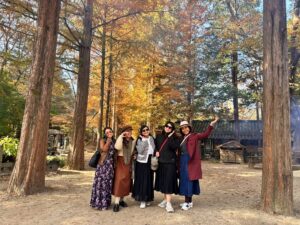
We arranged our Nami Island admission tickets in advance, which were around AUD 18 and included the round‑trip ferry. The ferry ride only takes a few minutes, but it’s a lovely part of the overall experience.
We also hired a private full‑day charter to Nami Island, which cost AUD 346 in total. When divided among all five of us, it became very reasonable. This option was worth it because:
- We didn’t need to deal with trains or multiple transfers
- Door‑to‑door convenience saved time
- We were able to sleep in a bit and even nap in the car on the way
We arrived around 9:00 AM, and it was still fairly quiet, with fewer tour groups around. The air was noticeably colder than Seoul that day – around 8°C – but the cool morning weather made walking through the tree‑lined paths especially pleasant. Just be sure to dress warmly, especially if you’re visiting in autumn.
Nami Island is especially beautiful in autumn. It’s famous for:
- The Metasequoia Tree Lane, one of the island’s most iconic photo spots
- Ginkgo and maple tree paths bursting with vibrant fall colours
- Peaceful riverside walking trails
- The Winter Sonata drama statue, a nod to the early‑2000s Korean drama that made Nami Island famous among international K‑drama fans – while newer generations may know the island more for its scenery, this classic series is a big part of its cultural legacy.
There are also cafes and casual dining options inside the island, perfect for warming up while enjoying the views. Nami Island generally opens from 8:00 AM to 9:00 PM, with ferries running frequently throughout the day.
Starfield Library
We also visited the famous Starfield Library, which is located inside COEX Mall in Gangnam, one of the largest underground shopping malls in Asia.
It’s visually striking with its towering bookshelves and is free to enter. While it’s unique, I still feel it looks better in photos than in real life, as the space feels smaller in person. Still, it’s worth a visit if you’re already shopping or exploring the area.
Unique Experiences We Tried
Hanbok Experience at Gyeongbokgung Palace
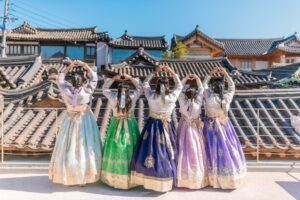
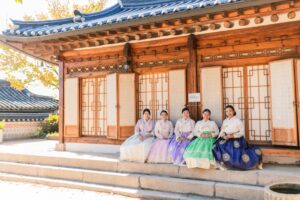
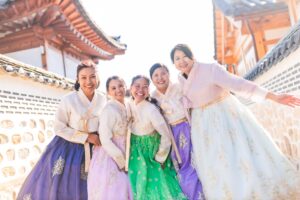
One of the highlights was wearing hanbok and having a professional photoshoot at Gyeongbokgung Palace.
The hanbok rental cost around AUD 26.60 per person, and we hired a professional photographer for 2 hours, which cost AUD 480 in total.
At the rental shop, the process was:
- Selecting your size
- Choosing your hanbok style and colour
- Adding accessories
- Optional hair styling, which comes with an additional fee
Once dressed, we walked to the palace grounds where the photographer guided us through poses. The photos turned out beautiful and made the experience even more memorable.
Colour & Scalp Analysis at Eco Jardin
We tried both personal colour analysis and an 18‑step scalp treatment at Eco Jardin, a salon that’s especially popular with tourists, so bookings are essential.
- Personal colour analysis: around AUD 175
- 18‑step scalp treatment: around AUD 240
The scalp treatment itself was surprisingly nice – very thorough and genuinely relaxing, and it was interesting to see our scalp condition up close. The colour analysis was also fascinating from an educational point of view. That said, the results were not quite what I was expecting. I’ve always been drawn to green and olive tones, but according to the analysis, those are actually among my worst colours. While it was interesting to learn what supposedly suits me best, I still prefer sticking to colours I personally feel confident and good in.
Overall, it was a fun and insightful experience to try once, and I’m glad we did it – but given the price, it’s probably not something I would repeat on a future trip to Korea.
Eco Jardin Opening hours: Daily from 10:00 AM – 6:00 PM
Spa 1899 – Daechi Branch, Gangnam
If there’s one experience I would 100% do again, it’s Spa 1899.
We visited the Daechi branch in Gangnam. We:
- Bought a voucher on Klook
- Booked our time directly on the official Spa 1899 website, providing the voucher number
We chose the 2‑hour full‑care package that cost AUD 390, which included:
- Head treatment
- Facial
- Body treatment
- Foot treatment
This spa specialises in Korean red ginseng therapy, and the entire experience felt luxurious and deeply relaxing. It was absolutely worth the money and something I’d happily do again.
Beauty Treatments in Seoul
We also explored some of Seoul’s well‑known beauty offerings, including non‑invasive facial treatments and eyebrow services, which are extremely popular in the city. Although I didn’t go with my friends for these treatments because I already had other appointments scheduled at the time, they later shared that they really enjoyed the experience and were happy with their results. Hearing their feedback still gave me a good sense of why these services are so sought after by locals and visitors alike.
South Korea truly lives up to its reputation as a global beauty hub, with a wide range of treatments available and a strong focus on skincare, grooming, and aesthetic care.
Food Tour & Night Fun
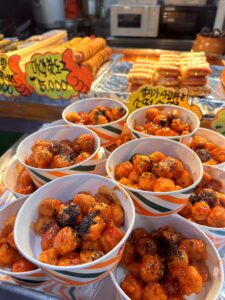
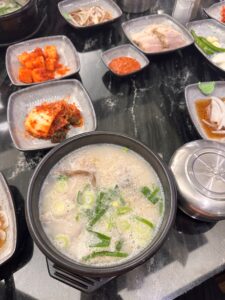
We booked a 3‑hour street food walking tour, which was a great introduction to Korean street food and local flavours. Walking around different neighbourhoods with a guide helped us better understand what we were eating and made it easier to try a variety of local snacks we might not have ordered on our own. It was a relaxed, fun way to experience Seoul’s food scene while learning more about everyday Korean eating culture.
One standout stop on the tour was the Jongno 24‑hour ramen convenience store, where you get to make your own ramen from scratch. You choose your preferred instant noodle brand, add toppings like eggs, cheese, or sausages, and cook it yourself using the in‑store machines. It’s simple, casual, and surprisingly fun – exactly the kind of everyday local experience we would’ve missed without the tour.
On separate days, we also enjoyed other food and entertainment experiences around the city, including Korean BBQ, trying more street food on our own, and visiting Dream Coin Karaoke in Jongno, which was incredibly fun and full of laughs. These experiences added even more colour to our time in Seoul and balanced out the sightseeing with memorable, light‑hearted moments.
Shopping in Seoul: Skincare Heaven
Insadong – This place is perfect if you’re looking for traditional Korean souvenirs and cultural items. The streets are filled with shops selling handcrafted ceramics, calligraphy items, hanji (traditional paper), teas, and small keepsakes that feel authentic and locally made. It’s also a pleasant area to wander, with traditional tea houses and small galleries adding to the atmosphere.
Myeongdong – If you’re interested in skincare and cosmetics, Myeongdong is a lively area to explore. You’ll find many well‑known Korean beauty brands concentrated in one place, making it easy to browse and compare products. Some shops can have quite pushy sales staff, often offering deals like buy two, get one half price, which can feel overwhelming at times. On the upside, they’re generous with free samples and face masks, so you usually leave with a few extras.
You’ll also find Olive Young flagship stores around major shopping areas, which stock a wide range of skincare and beauty essentials and are handy if you need everyday items.
Many stores across Seoul offer immediate in‑store tax refunds, where the tax is deducted directly from your bill at checkout.
Busan: Beautiful, But Too Short
We spent two nights in Busan, and it quickly became clear that it wasn’t enough. If I were doing this trip again, I’d stay at least four nights – and plan more than a week in South Korea overall, instead of trying to squeeze everything into seven days.
Where We Stayed
We stayed at Toyoko Inn Busan Station No.1, which:
- Was in a very convenient location
- Cost less than AUD 100 per night for a double room
- Included breakfast
- Provided pajamas and toiletries
Busan Day Tour
We booked a full‑day group Busan tour costing AUD 326 for all five of us. It was a shared bus tour with other tourists, and the price included transport, a guide, and lunch. Joining a group made it a convenient and stress‑free way to see several of Busan’s highlights in one day without having to plan routes or timings ourselves.
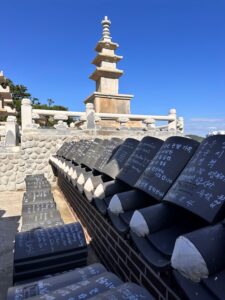
Haedong Yonggungsa Temple
This seaside temple is one of Busan’s most iconic sights. Unlike many Korean temples that sit in the mountains, Haedong Yonggungsa is dramatically set along the rocky coastline, so you get beautiful ocean views almost everywhere you turn. As you walk through, you’ll see colourful lanterns, stone statues, and little lookout points where the waves crash below – peaceful, photogenic, and honestly a really memorable atmosphere. One thing I found especially interesting is that this temple is also known for small wish‑making rituals: you’ll spot visitors stacking stones as they make quiet personal wishes, and in some areas you may also see roof‑tile‑style pieces where people write short prayers or wishes as a symbolic offering. It’s a small detail, but it adds to that reflective, spiritual feel of the place.
We spent about an hour here, which gave us enough time to explore, take photos, and quietly walk around some of the smaller corners.
Cheongsapo Daritdol Observatory
This stop features a glass‑bottomed skywalk extending over the sea. Standing above the water with only glass beneath your feet is a little nerve‑wracking but fun. On a clear day, the panoramic views of the coastline and ocean are stunning and well worth the stop.
Lunch at Ssangdung‑e Dwaeji Gukbap
Lunch was at a local restaurant known for Dwaeji Gukbap, a Busan specialty made with pork broth and rice. It’s simple, hearty, and very local – the kind of comforting meal that Busan is famous for.
Songdo Sky Park & Songdo area
The Songdo area was a really nice change of pace, with open sea views and a more relaxed coastal atmosphere. Songdo Sky Park offers elevated viewpoints overlooking the ocean and cliffs, making it a great spot for photos and a short stroll while enjoying the sea breeze. One of the highlights here is the Songdo Marine Cable Car, which takes you across the water between Songdo Beach and Amnam Park. Riding the cable car gave us a completely different perspective of the coastline from above, with sweeping views of the ocean, rocky shores, and city skyline in the distance. The whole area feels calm and scenic, and it was a refreshing stop that balanced out the busier, more crowded parts of the day.
Gamcheon Culture Village
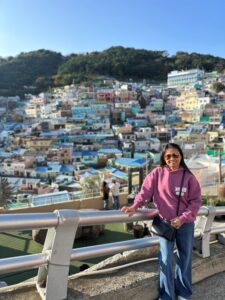
This was one of the most colourful and memorable stops of the day. The hillside village is filled with brightly painted houses, murals, narrow alleyways, and small art installations. One of the most popular photo spots here is the Little Prince statue overlooking the village and the sea, which has become an iconic symbol of Gamcheon. Many visitors queue to take photos here, and it’s easy to see why – the view is beautiful and very distinctive. Walking through the village felt like exploring an open‑air art gallery, with viewpoints and small souvenir shops scattered throughout.
Overall, the tour covered a great mix of nature, culture, food, and scenic viewpoints, making it ideal for seeing Busan’s highlights in a limited amount of time.
General Information
Health & Safety
South Korea felt very safe, even as a group of women travelling together. We were comfortable using public transport, walking around at night, and exploring both busy areas and quieter neighbourhoods. Cities are well‑lit, public transport is reliable, and people generally keep to themselves, which made the entire trip feel stress‑free.
Tips:
- Emergency numbers: 112 for police and 119 for fire or medical assistance
- Metro stations are well staffed, and taxis are easy to find late at night.
- Normal travel awareness is enough – we never felt the need to be overly cautious.
Entry Requirements
Australian passport holders can enter South Korea visa‑free for up to 90 days for tourism. As of now, Australians are temporarily exempt from applying for K‑ETA, with the exemption valid until 31 December 2026. This means you can travel without a visa or electronic travel authorisation for short stays.
That said, entry rules can change, so it’s always best to check official government or airline websites before departure, especially close to your travel date.
Tips:
- Make sure your passport is valid for the duration of your stay (six months validity is recommended).
- Carry digital and printed copies of your flight and accommodation details for immigration.
- If travelling after 2026, K‑ETA may again be required, so double‑check before booking flights.
Final Notes for Travellers
If you’re planning a trip to South Korea – especially with friends – Seoul and Busan offer a great mix of culture, food, nightlife, and scenic escapes. Between fast‑paced city life, endless things to eat and see, and coastal views in Busan, the days can feel full and exciting in the best way. It’s a destination that rewards planning, curiosity, and energy, and it’s perfect for travellers who enjoy vibrant cities, shared experiences, and making memories together.
Thinking of planning a similar trip?
I can help you:
- Compare itineraries based on your travel style
- Choose the right hotels for your trip
- Plan visas, flights, and transfers
- Build a personalised itinerary that fits your budget and interests
Just reach out when you’re ready to start planning.
By Melody Fernando · Last updated: 13 March 2026